
Introduction
In today’s globalized world, Communicative English Language Skills are more important than ever before. English has become a global language — the language of business, technology, education, and diplomacy. However, mastering English is not only about grammar and vocabulary; it is about communication — the ability to express ideas clearly, understand others, and interact effectively in real-life situations.
Communicative English emphasizes using the language for practical communication rather than just theoretical knowledge. It helps learners become confident speakers, good listeners, effective readers, and skillful writers.


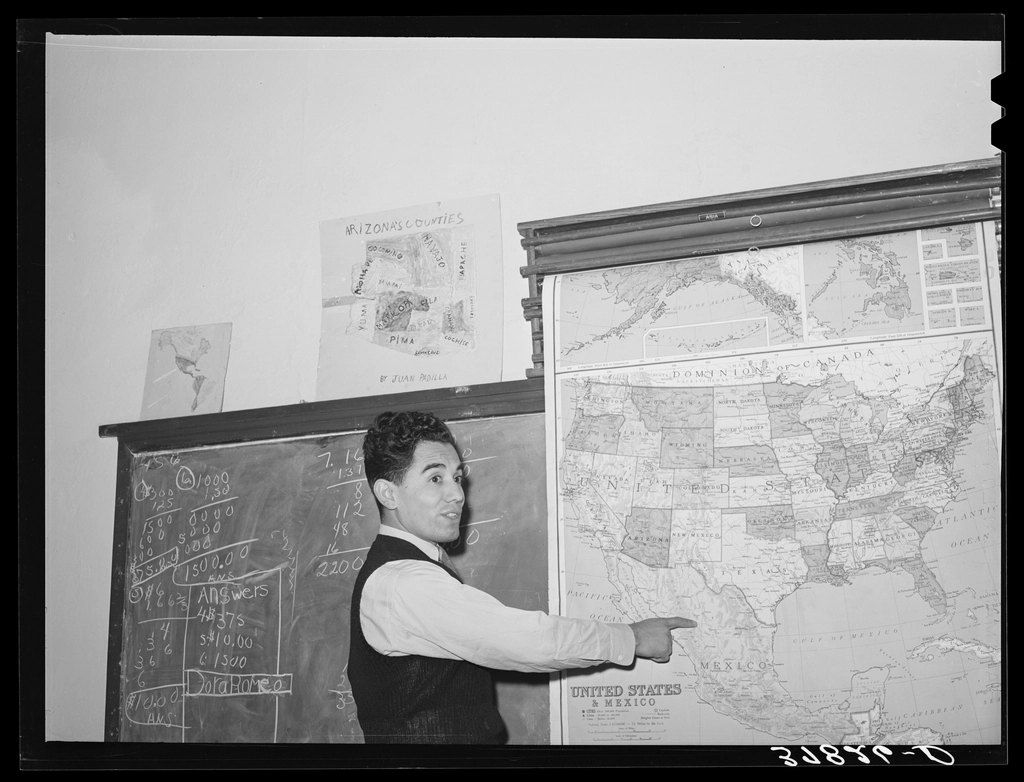


- What Is Communicative English?
Communicative English refers to the use of the English language in real-life communication. It focuses on developing the learner’s ability to:
Speak fluently and appropriately in different contexts
Understand spoken messages and respond effectively
Read and interpret texts with understanding
Write clearly and purposefully
The approach encourages interaction, conversation, and language use in meaningful contexts rather than memorization of rules.
- Importance of Communicative English Skills
Communicative English is essential for both personal development and professional success. Its importance can be summarized as follows:
- Global Communication: English connects people from different nations and cultures.
- Career Advancement: Most international jobs require good communication in English.
- Education: Many universities and academic materials use English as the medium of instruction.
- Technology and Media: The internet, science, and technology are dominated by English content.
- Confidence and Social Interaction: Good communicative skills build confidence in expressing ideas.
- Components of Communicative English Skills
Communicative competence is built upon four main language skills — often called the “Four Skills of English.”
A. Listening Skills
Listening is the foundation of communication. It means understanding spoken messages in different situations — lectures, conversations, news, etc.
Good listening involves:
Paying attention to the speaker
Understanding tone, stress, and rhythm
Identifying main ideas and supporting details
B. Speaking Skills
Speaking is the most visible form of communication. Effective speaking requires:
Fluency: expressing ideas smoothly without hesitation
Pronunciation: producing sounds clearly
Grammar: forming correct sentences
Confidence: being able to speak in public or group settings
C. Reading Skills
Reading helps learners gain information, expand vocabulary, and develop thinking skills. Good reading habits include:
Skimming and scanning for information
Understanding meaning and context
Identifying main ideas and arguments
D. Writing Skills
Writing is the process of expressing ideas through text. It includes:
Organizing thoughts logically
Using correct grammar and punctuation
Maintaining clarity, coherence, and tone
Writing essays, reports, emails, or formal letters
- The Communicative Approach to Language Learning
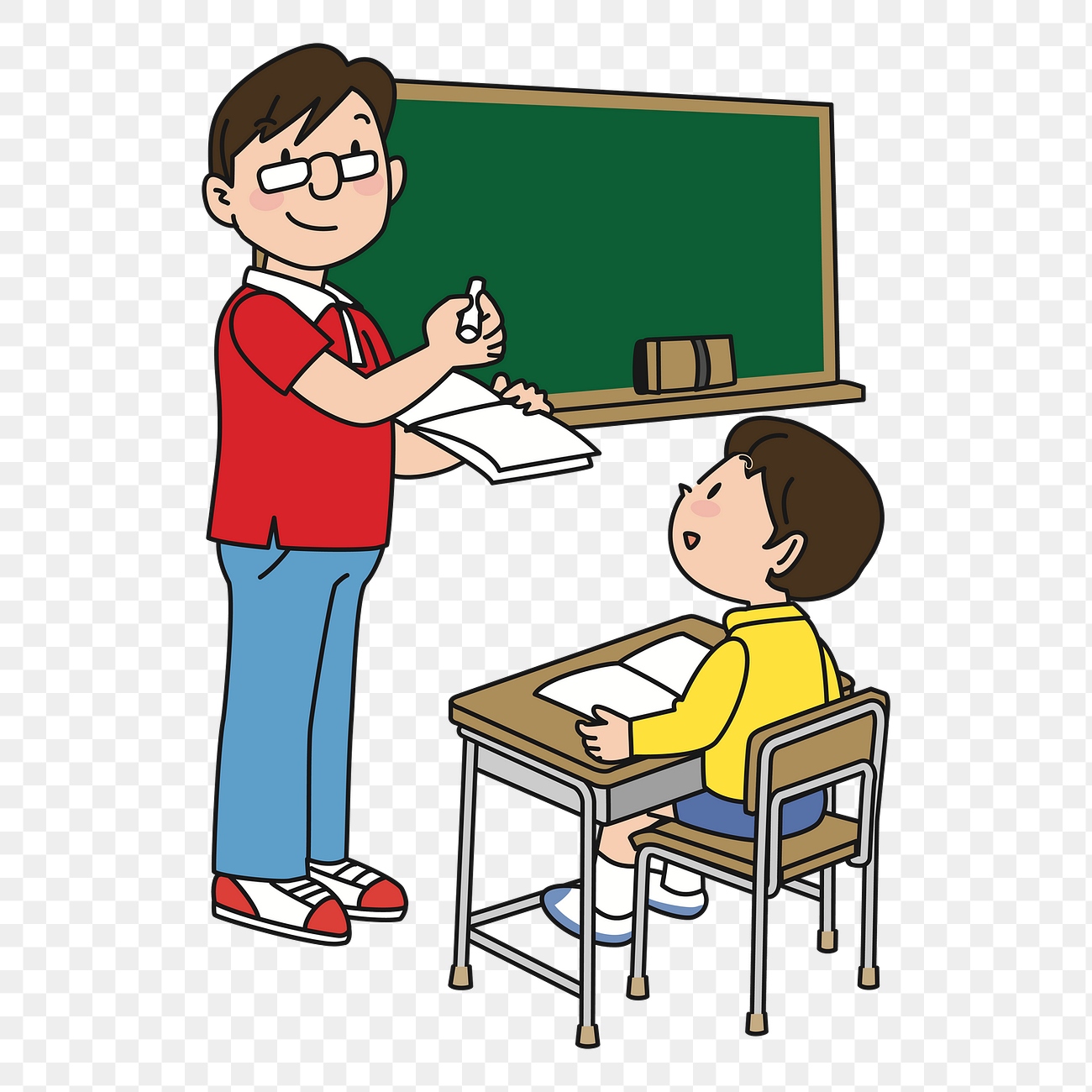
The Communicative Approach (also called Communicative Language Teaching – CLT) focuses on learning by using the language. Instead of memorizing grammar rules, learners communicate through:
Role plays and simulations
Group discussions and debates
Pair work and interviews
Presentations and storytelling
Teachers act as facilitators, guiding students to use English naturally in real situations.
- Barriers to Effective Communication
Even though English is widely taught, many learners struggle to communicate effectively. Common barriers include:
Fear of making mistakes
Limited vocabulary and poor pronunciation
Overemphasis on grammar instead of communication
Lack of practice and real-life exposure
Cultural misunderstandings or anxiety
Overcoming these barriers requires consistent practice, positive attitude, and real interaction with others.
- Strategies to Improve Communicative English Skills
Developing communicative skills takes time, effort, and practice. Below are effective strategies:
Listening
Listen to English podcasts, movies, or songs
Practice listening for main ideas
Imitate pronunciation and intonation
Speaking
Speak English daily, even with friends
Join English clubs or discussion groups
Record your voice and evaluate fluency
Learn phrases and expressions for different contexts
Reading
Read newspapers, novels, and online articles
Summarize what you read
Learn new vocabulary and use it in sentences
Writing
Keep an English journal
Write emails, essays, or blogs
Practice editing and proofreading your work
- Role of Technology in Learning Communicative English
Technology plays a transformative role in English learning today. Mobile apps, online platforms, and AI tools make it easier to practice speaking, listening, and writing.
Some helpful tools include:
Duolingo, Grammarly, BBC Learning English, YouTube tutorials, and ChatGPT (for feedback and practice).
These digital resources create an interactive and personalized learning environment for all levels of learners.
- Communicative English in Professional Life
In workplaces, communicative English skills are crucial. Professionals must:
Communicate clearly with clients and colleagues
Write reports and proposals effectively
Give presentations with confidence
Negotiate and solve problems in English
Companies value employees who can express ideas fluently and represent the organization effectively on the global stage.
- The Role of Teachers and Institutions
Teachers play a vital role in promoting communicative competence. They should:
Create interactive classroom environments
Encourage students to speak and participate
Use real-life materials such as news articles and videos
Focus on fluency and understanding rather than error correction alone
Educational institutions should also design curricula that include communication-based learning activities.
- Conclusion
Communicative English Language Skills are the foundation of success in today’s interconnected world. They help people express ideas, share knowledge, and build meaningful relationships across cultures.
Learning English communicatively is not just about mastering grammar — it is about thinking, feeling, and interacting in English.
By practicing listening, speaking, reading, and writing actively, anyone can become a confident and effective communicator capable of thriving in global education, business, and everyday life.
Summary Table: The Four Communicative Skills
Skill Description Key Focus
Listening Understanding spoken English Comprehension & attention
Speaking Expressing ideas verbally Fluency & pronunciation
Reading Understanding written English Vocabulary & meaning
Writing Producing written communication Grammar & clarity
Final Thought
The journey to mastering communicative English never truly ends — it grows with every word you read, every conversation you have, and every message you write. Communication is power, and English is the bridge that connects you to the world. 🌍












https://ci3.googleusercontent.com/meips/ADKq_NaQn0BF43jzm4FPq3KSmpLdabZ-ZL7WgH7pC2AyNv8wjS64-lHIsEgcbuFRCvFFZl1urzVmw_W52QO0fztfIl-IgzlhNXhaqdboIfKvBKOFK1eS1ZFP4bI1bRcWTvVGX1jnxgWx652_8FunVMbAMnSe2ZW-guESUxGSsT10p_UEpnuJqI38fabQe6FFzDEXsoQLhQIQ1goNgLMhkKW91Yxueg5S=s0-d-e1-ft#https://aid.us.kwcdn.com/maleonn/static/v2/251023-4161979478.jpg?imageAuto/normal/id/638e8b2f-a323-4dba-a1e8-752acd2762e9-0-c330zi/format/jpg